Raccoon Removal in Western North Carolina | WNC Wildlife Removal

Wildlife Removal Services

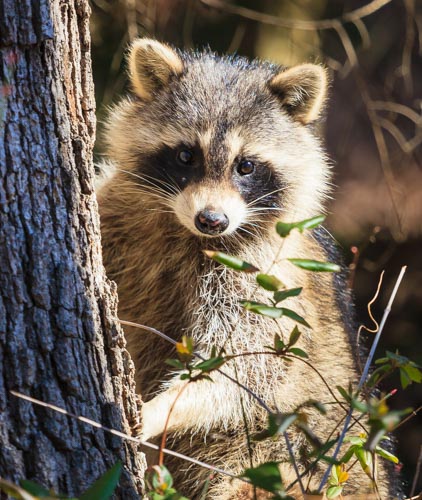
Raccoon Removal in Western North Carolina

Humane trapping, on-property relocation, exclusion, and damage repair across Asheville, Hendersonville, Brevard, and Waynesville.

828-215-4712 Same-day inspections available
🐾
Humane & LegalNC compliant, on-property release
Quick Answer

Heavy thumping in your attic at night? You almost certainly have raccoons. A mother raccoon with kits can cause thousands of dollars in damage to insulation, wiring, and ductwork within weeks. Don't wait on this one. Call 828-215-4712 for a same-day inspection.

Why raccoons love your WNC home

🔍
What Most People Miss

Raccoon latrines. Raccoons don't go to the bathroom randomly. They pick one spot and return to it every single night. In an attic, this creates a concentrated pile of feces that gets worse by the day. These latrines are the main source of Baylisascaris exposure, and they're easy to miss because they're usually in a back corner you never look at.

Raccoons are the most common wildlife complaint we handle in Western North Carolina. And it makes sense. The mountains, the creeks, the older homes with mature hardwoods right up against the roofline. It's perfect raccoon habitat.

The problem isn't the raccoons themselves. They're smart, adaptable animals just doing what raccoons do. The problem is what happens when they decide your attic is a better den than a hollow tree. Torn insulation. Damaged wiring. Contaminated ductwork. And a latrine site that can become a real health hazard if it sits long enough.

We handle raccoon removal across Buncombe, Henderson, Transylvania, Haywood, and Madison counties. Every job starts with a full inspection so we know exactly what we're dealing with before we quote a price.

Raccoons in your attic? We can help. 828-215-4712

Signs you have raccoons

Most people call us because they're hearing something at night. Heavy footsteps, scratching, sometimes what sounds like a baby crying. That's the kits. But noise is just one sign.

🌙

Sounds after dark

Raccoons are nocturnal. If the noise starts at dusk and goes until early morning, that's a raccoon pattern. Squirrels are the opposite: active during the day, quiet at night.

🚧

Damage at the roofline

Raccoons are strong. They rip off soffit panels, pull back fascia board, and tear through rotted wood with their hands. Look for bent or missing soffit vents and torn screening.

👁

Greasy smudge marks

Raccoons have oily fur and leave dark brownish-black stains around their entry points. If you see smudges around a gap in your roofline, that's a well-used raccoon highway.

🗑

Overturned trash cans

If your cans are getting raided every night and the lids are being removed (not just knocked over), you have raccoons nearby. WNC raccoons are not shy about garbage.

Why raccoon problems shouldn't wait

We don't say this to scare you. But raccoons do carry real health risks that are worth understanding before you decide to wait it out.

Rabies

Raccoons are the number one rabies carrier in North Carolina. Not every raccoon has rabies, not even close. But one behaving strangely (active during the day, stumbling, approaching people) should be taken seriously. If you or a pet are bitten or scratched, contact your doctor and local animal control immediately.

Baylisascaris

This is a roundworm found in raccoon feces. It's uncommon in humans, but when it does occur, it's serious, especially for young children. The eggs become infectious after about two weeks of sitting. That's why cleaning up a raccoon latrine quickly matters, and why you should never handle raccoon feces without proper protection.

🛑
Safety Warning

Do not attempt to clean up a raccoon latrine with a regular vacuum or broom. Baylisascaris eggs are microscopic and nearly impossible to kill with standard household cleaners. Professional cleanup requires enzyme-based treatments, HEPA filtration, and proper disposal of contaminated insulation. This is not a DIY job.

Beyond health concerns, raccoons cause real structural damage. They'll compress and soil insulation (cutting your energy efficiency), chew on electrical wiring (a fire hazard), tear apart ductwork, and damage drywall. We've seen repair bills in the thousands for homes where raccoons were left unchecked for a full season.

How we handle raccoon removal

Every raccoon situation is a little different. A single raccoon using your chimney as a shortcut is not the same as a mother denning with four kits in your attic insulation.

What stays the same on every job: we trap humanely, release the raccoon on your property away from the problem area, and then seal the entry points so it can't come back. The raccoon moves along on its own. Your home stays protected.

01

Inspection

We walk the full exterior of your home, check the attic, and identify every entry point. You get a written report with photos and a clear explanation of what we found.

02

Removal

We use live trapping, one-way exclusion doors, or hands-on extraction depending on the situation. Trapped raccoons are released elsewhere on your property, away from the trouble area. Then we seal every entry point so they can't get back in. No poisons, ever.

03

Exclusion & Repair

Once the raccoons are out of the trouble area, we seal every entry point with heavy-gauge materials. This is the step that actually solves the problem. The raccoon can't get back in, so it moves along and finds natural shelter. Then we clean up contaminated areas and repair any structural damage.

Pro Tip

If you think you have raccoons in your attic between late March and June, there's a good chance kits are involved. We always check for young before starting any removal work. If a mother and kits are present, we make sure the family stays together during trapping and release them together on the property. Removing a mother without her babies means the kits will die in your attic, creating a much worse problem.

Keeping raccoons out for good

🌦
Seasonal Note

The best time to do exclusion work in WNC is late fall, after the year's young have left the den but before pregnant females start looking for winter shelter. November and early December are ideal. Wait until February and you risk sealing a pregnant raccoon inside.

Here's the thing about raccoon removal: the trapping part is actually the easy part. The part that matters is what happens after. Since NC law requires raccoons to be released on the same property, the only way to keep them out of your home for good is to close every way back in. That's what exclusion is.

And it works. Once we seal the entry points, the raccoon is still on your property, but it can't get back into the attic or crawlspace. Most raccoons figure this out quickly and move along to find natural shelter. The ones that stick around nearby aren't a problem anymore because they simply can't get in.

Real prevention means identifying and closing every potential entry point on your home. That includes soffit gaps, gable vents, roof-to-wall junctions, plumbing vents, and chimney caps. We use 16-gauge galvanized steel and heavy-duty hardware cloth, materials that a raccoon can't rip apart.

A few other things that help. Keep trash cans secured with bungee cords or locking lids. Don't leave pet food outside overnight. Trim tree branches that hang within 6 feet of your roofline. Raccoons are excellent climbers, but they prefer an easy jump from a branch to a roof over climbing bare siding.

North Carolina raccoon regulations

NC has specific rules about how raccoons can be handled, and they're worth knowing if you're thinking about doing this yourself.

NC Regulations

NC Wildlife Resources Commission rules (15A NCAC 10B .0106) are clear on this: because raccoons are a rabies vector species, they cannot be relocated off your property under any circumstances. A trapped raccoon must either be released on the same property where it was caught or humanely euthanized. No exceptions.

That's exactly why our approach works the way it does. We trap the raccoon, release it on your property away from the problem area, and then immediately seal every entry point. The raccoon is free to move along on its own, which they usually do once they can't get back into the easy shelter. And you're not breaking any laws or dealing with a dead animal.

There's a good reason for the no-relocation rule. Raccoons dropped in unfamiliar territory often don't survive. They can also spread disease to wildlife populations in the new area. The NCWRC designed this regulation to protect both the animals and the broader ecosystem.

If you're not sure about the rules, or if you'd rather not deal with trapping yourself, that's what we're here for. We handle everything in compliance with NC regulations.

Ready for a raccoon-free home? 828-215-4712

What raccoon removal costs

💰
Cost

Most raccoon removal jobs in Western NC run between $250 and $750. That range depends on how many raccoons are involved, how they're getting in, and whether the job includes exclusion and cleanup. A single raccoon in a chimney is a simpler (and less expensive) job than a mother with four kits in an attic that needs full exclusion and insulation replacement.

We always provide a written estimate after the initial inspection. No surprises, no hidden fees.

🕐
Best Time

The cheapest raccoon job is the one you catch early. A raccoon that's been in your attic for a week is a straightforward removal. One that's been there for three months with a litter of kits usually means contaminated insulation, damaged wiring, and a bigger bill. If you think something's up there, don't wait.

Raccoon removal FAQs

Most jobs run between $250 and $750, depending on how many raccoons are involved and how they're getting in. A single raccoon in a chimney is a simpler job than a mother with kits in an attic that also needs exclusion work and damage repair. We provide a written estimate after inspection so there are no surprises.

You can trap raccoons on your own property without a permit if they're causing damage. But NC law is strict about what happens next. Because raccoons are a rabies vector species, you cannot relocate them off your property at all. Trapped raccoons must be released on the same property where they were caught or humanely euthanized. That's why professional exclusion matters. We trap, release on-property away from the trouble area, and then seal the entry points so they can't get back in.

The biggest clue is timing and volume. Raccoons are loudest at night, and they sound heavy, like a person walking around up there. Squirrels are active during the day and sound lighter, more like scurrying or rolling nuts. Raccoon entry holes are also larger, usually 4 to 6 inches across, and you'll often see greasy smudge marks around the opening.

Late winter through early spring is peak season. Female raccoons in the WNC mountains start looking for denning sites in February and March, before their first litter arrives in late March or April. We see a second spike in fall when temperatures drop and raccoons look for warm places to ride out winter.

They can be. Raccoons are the primary carrier of rabies in North Carolina, and their feces can contain Baylisascaris procyonis, a roundworm that is dangerous to humans, especially children and pets. A raccoon that feels cornered will also defend itself aggressively. This is why we don't recommend DIY removal, particularly if the raccoon is in a confined space like an attic or crawlspace.

Not if the entry points are sealed. Since NC law requires raccoons to be released on the same property, exclusion is everything. We release the raccoon away from your home's trouble area, then seal every opening with heavy-gauge materials that raccoons can't tear through. The raccoon is free to move along on its own, and most do once they can't access easy shelter. We back our exclusion work with a warranty.

Get raccoons out.
Keep them out.

Same-day inspections across Buncombe, Henderson, Transylvania, Haywood, and Madison counties.

828-215-4712